March 23, 2026
Hot tub installation is an exciting process, but it's fraught with potential pitfalls that can impact the end result. Proper planning and execution during the installation process are crucial to ensuring the safety, functionality, and longevity of your hot tub. Homeowners often underestimate the complexity of installing a hot tub, leading to mistakes that can cost time and money. In this article, we will explore the most common mistakes homeowners make during hot tub installation and provide detailed guidance on how to avoid them.
1. What is the Importance of Proper Plumbing for Hot Tubs?
A. Planning the Water Supply
Ensuring an adequate and consistent water supply is the backbone of effective hot tub installation. It requires careful planning to identify the most suitable water source and ensure it can meet the demands of the hot tub without affecting household supply. Moreover, high-quality materials must be used to prevent leaks and contamination, thereby preserving the purity of your hot tub water. Ignoring this fundamental aspect can lead to inefficient operations and increased maintenance costs in the future.
B. Efficient Drainage Systems
Designing an efficient drainage system is vital to prevent water pooling around your hot tub, which can cause structural and safety issues. Proper drainage must be considered before the hot tub is installed to ensure water can flow away from the tub and your home, protecting both from potential damage. Inadequate drainage systems can lead to waterlogged soil, which may weaken the base of your hot tub, leading to costly repairs. Thoughtful planning in this area can save homeowners from future headaches and maintenance overloads.
C. Installation of Jets and Pipes
The proper installation of jets and pipes directly impacts the performance and user satisfaction of your hot tub. Poor pipelaying techniques can lead to inefficiencies, such as uneven water distribution and reduced flow from jets, diminishing the relaxing experience a hot tub should provide. It is important to hire experienced professionals who understand the intricacies of hot tub plumbing. Correct jet positioning ensures even water pressure and enhances the therapeutic benefits of hydrotherapy.
D. Insulation and Energy Efficiency
Insulation plays a critical role in the energy efficiency of your hot tub, affecting both operational costs and environmental footprint. By choosing the right insulation options, homeowners can substantially reduce heat loss and maintain water temperature with minimal energy consumption. Effective insulation contributes to energy savings and a reduced carbon footprint, aligning with sustainable living practices. Investing in quality insulation materials is a cost-effective strategy that enhances the longevity and pleasure of your hot tub.
2. How to Address Hot Tub Structural and Design Concerns?
A. Selecting the Right Material
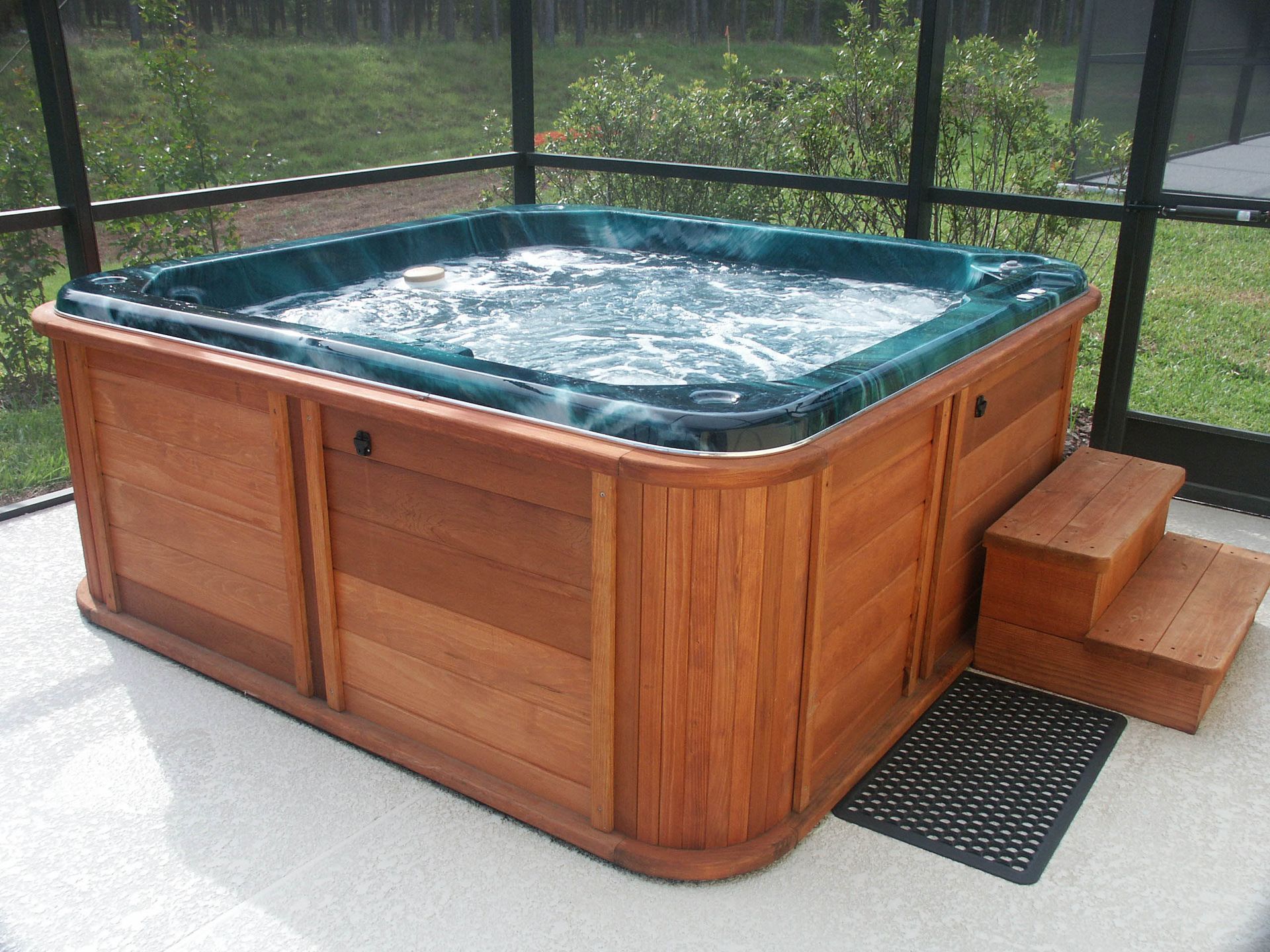
The choice of materials for your hot tub’s frame and shell is critical, impacting both its durability and aesthetic appeal. Different materials offer unique benefits and challenges; for example, acrylic provides a sleek look and is easy to clean, but other materials like wood or synthetic composites may offer better durability. Homeowners must weigh these options carefully and consider climate, intended usage, and personal preferences. Making an informed choice will prevent problems like fading or warping, which can detract from your hot tub’s longevity and appearance.
B. Understanding Load Capacity
Accurately calculating the load capacity for a hot tub is essential to ensure the structure can support the weight of the filled tub plus users. This involves both the physical space where the hot tub will sit and the structural integrity of that space. Overlooking this calculation can lead to severe structural issues or even accidents. It's important to consult with experts to ensure your space can safely support your hot tub, avoiding maintenance issues and potential safety hazards.
C. Customization Options
Hot tubs today come with a plethora of customization options that, while exciting, can complicate the installation process. From built-in entertainment systems to intricate lighting, each choice adds to the complexity of setup and maintenance. Homeowners must balance their desires with practical installation considerations, ensuring that added features do not interfere with functionality. This necessitates a clear understanding of how features integrate with the hot tub's operations, facilitating a successful and smooth installation.
D. Access Points for Maintenance
Designing access points for regular maintenance is a crucial yet often overlooked aspect of hot tub installation. Clear, easy access to the hot tub's components can streamline regular upkeep, preventing more serious issues down the line. According to expert advice, making room for efficient maintenance can significantly extend the life of your hot tub. Ensuring these access points are in place during installation helps homeowners manage their investment's health and efficiency effectively.
3. What Are the Common Maintenance Mistakes Post-Installation?
A. Water Chemistry Management
Maintaining balanced water chemistry is essential for safe and enjoyable hot tub use. Incorrectly balanced water can lead to skin irritations and diminish the lifespan of your hot tub components, particularly the jets and heating elements. Regular testing and adjustment using chemical treatments are necessary to maintain optimal conditions. Homeowners must prioritize education on managing water chemistry to protect their investment and ensure user safety.
B. Regular Maintenance Routines
Establishing a regular maintenance schedule is vital for the ongoing health of your hot tub. Simple routines like cleaning filters, checking jets, and inspecting for leaks can prevent major malfunctions. According to This Old House, the average cost of a hot tub is about $15,000, making regular maintenance an important step to protect such a significant investment. This consistent care not only preserves the aesthetic and functional quality of the hot tub but also enhances user enjoyment over the years.
C. Handling Common Repairs
Over the lifespan of a hot tub, homeowners will likely encounter various mechanical issues, from leaks to heater malfunctions. Being prepared to address these common problems promptly can prevent them from escalating into larger repairs. Knowledge of basic troubleshooting techniques and a relationship with a reliable service provider can be invaluable. Proper handling of these repairs not only saves money but also ensures the hot tub can be used to its full potential without prolonged downtime.
D. Seasonal Shutdown and Startup
Hot tubs will often require specific shutdown and startup procedures during seasonal changes, particularly when winterizing after summer use. Failing to properly prepare your hot tub for seasonal transitions can result in damage due to freezing temperatures or increased wear from unmitigated elements. A step-by-step guide to these processes ensures a smooth transition, maintaining the hot tub’s integrity. Adequately preparing your hot tub for seasonal changes is a critical part of responsible hot tub ownership.
In conclusion, meticulous planning and aware execution during the installation of a hot tub can prevent a majority of the common pitfalls homeowners face. Understanding and addressing crucial aspects such as plumbing, structural integrity, and maintenance routines will not only enhance the lifespan of your hot tub but also maximize user enjoyment. The process of hot tub installation requires careful consideration of numerous factors to avoid unnecessary complications and expenses. With the right approach, homeowners can enjoy years of relaxation and benefit from a valuable addition to their living space. If you require assistance with your own hot tub installation, then you should reach out to Water World Ltd today to see how we can help you out!